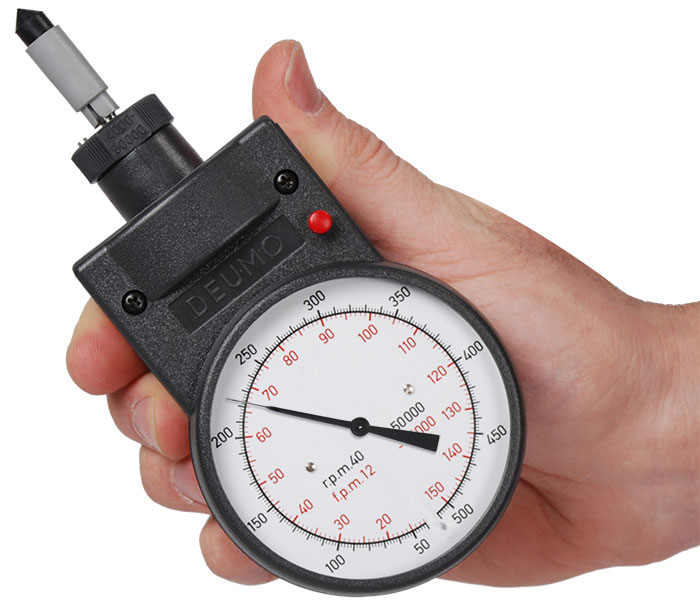
Unlocking the Tricks of Tachometers: Every Little Thing You Need to Learn About This Crucial Instrument in Your Automobile
Recognizing the intricacies of tachometers can offer beneficial understandings into your lorry's performance and maintenance demands. From measuring engine rate to decoding the data it presents, tachometers work as a crucial tool for car proprietors and lovers alike. By deciphering the secrets behind this important tool, you can unlock a wide range of information that can enhance your driving experience and guarantee the durability of your lorry.
Importance of Tachometers
The relevance of tachometers depends on their capacity to supply vital real-time information regarding an engine's rotational speed, enabling precise surveillance and upkeep of machinery. By measuring the transformations per minute (RPM) of an engine's crankshaft, tachometers use valuable understandings right into the engine's efficiency - tachometer. This data is crucial for making sure that the engine operates within its ideal array, avoiding prospective damage from over-revving or underperforming
Tachometers play a vital function in helping drivers and professionals detect any type of abnormalities in the engine's speed, which can indicate concerns such as fuel inadequacy, mechanical problems, or extreme pressure on the engine. By quickly recognizing these concerns through tachometer analyses, upkeep can be performed proactively, stopping pricey repairs and downtime over time.
In addition, tachometers are particularly important in high-performance lorries and equipment, where precise control over engine speed is needed for optimum procedure. Competing cars, aircraft, and industrial devices count on tachometers to supply peak efficiency while keeping safety standards. Essentially, tachometers are not just instruments for measuring speed however vital devices for making certain the smooth and reliable procedure of engines throughout numerous applications.
Just How Tachometers Measure Engine Speed
Utilizing sensors that identify the regularity of electrical pulses created by the engine's ignition system, tachometers precisely determine the rotational speed of an engine. By monitoring the price at which these pulses are gotten, tachometers provide real-time responses on exactly how fast the engine's crankshaft is revolving per minute, commonly described as revolutions per min (RPM)
The tachometer's sensor, often attached to the engine's ignition coil or trigger plug wires, gets the electrical signals generated each time a cylinder fires. These signals are after that exchanged RPM analyses displayed on the scale or instrument collection within the chauffeur's sight. Tachometers can be analog or electronic, with modern lorries frequently featuring digital display screens for accurate and rapid RPM readings.
This details is important for drivers to comprehend the engine's performance, prevent over-revving, enhance equipment shifting, and guarantee effective fuel intake. By precisely determining engine speed, tachometers play an important role in helping motorists run their vehicles securely and effectively.
Analyzing Tachometer Analyses
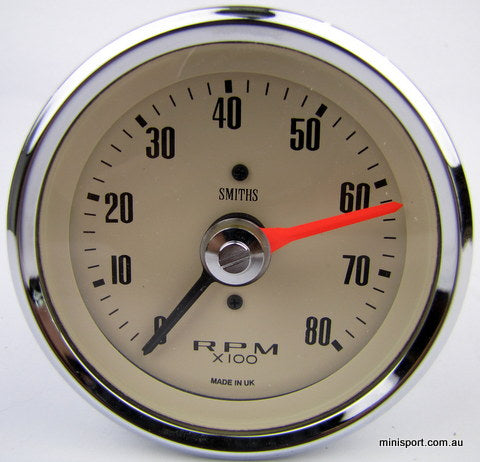
Having a clear understanding of exactly how tachometers measure engine speed sets the foundation for efficiently interpreting the RPM readings presented. Analyzing tachometer analyses is vital for ideal car performance and engine wellness. When the engine is idling, the tachometer needle typically rests around 600-1000 RPM, depending on the lorry.
Tips for Utilizing Tachometers Efficiently
To enhance driving efficiency and optimize engine efficiency, what secret methods can be executed for effectively using tachometers? Tachometers are vital tools that provide you can check here real-time responses on engine speed, enabling vehicle drivers to make educated choices for much better performance - tachometer. Below are some suggestions for using tachometers successfully:
Recognizing Optimal RPM Variety: Acquaint yourself with the ideal RPM (Changes Per Minute) range for your automobile. This array varies in between various vehicles and is generally indicated in the owner's handbook. Maintaining the engine within this range can enhance gas performance and prolong the engine's life expectancy.
Moving Equipments at the Right Time: Use the tachometer to figure out the ideal time to change equipments. Upshifting prematurely or as well late can cause lowered performance and efficiency. Aim to shift gears when the RPM reaches the optimal range for the next gear.
Checking Engine Stress: High RPMs for prolonged periods can stress the engine. Watch on the tachometer to prevent over-revving, especially throughout velocity or when lugging hefty tons.
Tachometers and Automobile Maintenance
When thinking about car maintenance, tachometers play an important function in keeping track of engine performance and discovering prospective issues. Tachometers provide important data on engine speed, permitting chauffeurs and mechanics to make certain that the engine is running within click to find out more the suggested RPM array. Consistently keeping track of the tachometer readings can aid recognize issues such as engine misfires, worn-out spark plugs, or issues with the gas distribution system. By paying interest to the tachometer, vehicle drivers can prevent too much pressure on the engine, which can result in pricey repair services down the line.
Along with spotting possible issues, tachometers can likewise assist in optimizing fuel performance. By keeping the engine speed within the ideal array, chauffeurs can enhance their gas mileage and lower fuel usage. This not just profits the driver's budget yet also adds to environmental preservation by decreasing hazardous discharges.
Verdict